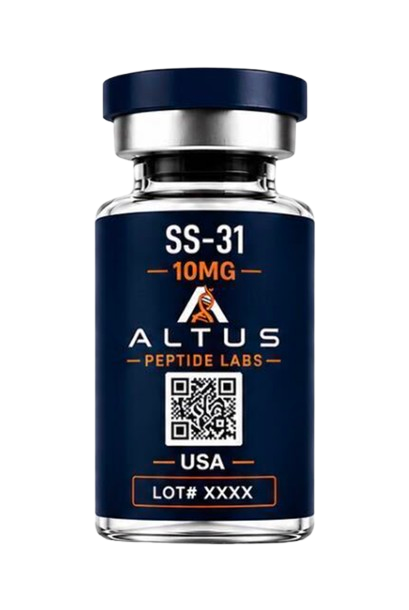
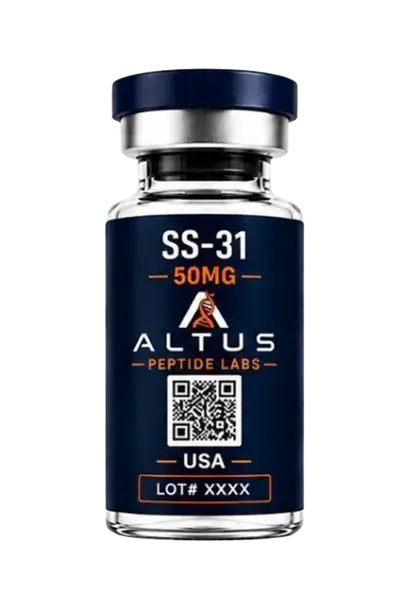
SS-31
Price range: $50.00 through $75.00
SS-31, also known as Elamipretide, is a synthetic mitochondria-targeting tetrapeptide studied for its interactions with mitochondrial membranes and cellular energy-related processes. Its unique structure has made it a subject of interest in biochemical, cellular, and mitochondrial research.
Unlike conventional peptides that primarily interact with receptors on the cell surface, SS-31 has been investigated for its ability to associate with mitochondrial membranes, particularly through interactions involving cardiolipin. This makes it relevant to research exploring mitochondrial structure, membrane biology, oxidative processes, and cellular energy mechanisms.
Supplied as a research material, SS-31 is intended for controlled laboratory investigation and analytical applications. Researchers should consult batch-specific documentation for identity, purity, formulation, and handling requirements.
Research use only. Not for human or veterinary use.
SS-31 Specifications
| Property | Details |
| Product Name | SS-31 |
| Alternative Name | Elamipretide |
| Peptide Type | Synthetic mitochondria-targeting tetrapeptide |
| Common Sequence | D-Arg-Dmt-Lys-Phe-NH₂ |
| Molecular Formula | Verify supplier documentation |
| Molecular Weight | Verify supplier documentation |
| Physical Form | Typically lyophilized powder |
| Available Quantities | 10 mg / 50 mg / 100 mg |
| Intended Use | Laboratory research and analytical applications |
The sequence commonly associated with SS-31 includes a dimethyltyrosine residue, represented as Dmt, alongside non-standard amino acid configurations. Because modified amino acids and terminal groups can influence the molecular profile, researchers should confirm the exact structure and calculated molecular mass through the supplied Certificate of Analysis (COA).
Understanding SS-31 and Its Molecular Structure
SS-31 is a short, positively charged peptide designed to interact with mitochondrial membrane components. Its molecular structure includes the aromatic residue dimethyltyrosine, which contributes to the compound’s distinctive chemical properties.
The peptide has been investigated in relation to cardiolipin, a phospholipid concentrated within the inner mitochondrial membrane. Cardiolipin supports mitochondrial membrane organization and is involved in processes associated with mitochondrial function. Research into SS-31 commonly examines how peptide–membrane interactions may influence experimental models of mitochondrial stress and membrane behavior.
These proposed mechanisms remain areas of scientific investigation. Results can vary depending on the cell type, model system, experimental conditions, and analytical techniques used.
Research Applications
SS-31 is relevant to several areas of laboratory research, particularly studies focused on mitochondrial biology.
Mitochondrial Membrane Research
Researchers may examine SS-31 in experimental systems involving mitochondrial membrane structure, cardiolipin interactions, and membrane-associated biochemical processes.
Cellular Energy Studies
Mitochondria play an important role in cellular energy production. SS-31 may be investigated in research models examining mitochondrial activity, metabolic signaling, and energy-related cellular responses.
Oxidative Stress Research
The peptide has been studied in experimental contexts involving oxidative processes and mitochondrial stress. Researchers should interpret findings according to the specific model and measured endpoints rather than assuming a universal biological effect.
Peptide–Lipid Interactions
Because of its mitochondria-targeting characteristics, SS-31 can be relevant to studies examining interactions between synthetic peptides and lipid membranes.
Comparative Compound Analysis
SS-31 may also be included in comparative research involving mitochondrial-targeting molecules, modified peptides, and membrane-active compounds.
These applications represent potential research directions and do not establish clinical efficacy, safety, or suitability for use in humans or animals.
Quality Control and Analytical Documentation
Reliable compound identification is essential when conducting peptide-based research. SS-31 contains modified amino acid components, so a product listing alone may not provide sufficient information for complete characterization.
Before using the material, researchers should review the available documentation for:
- Confirmed peptide sequence and terminal modifications
- Molecular formula and molecular weight
- HPLC purity results
- Mass spectrometry identity confirmation
- Batch or lot number
- Physical appearance and formulation
- Storage and handling recommendations
Where available, analytical results should correspond to the specific batch being supplied. Documentation supports traceability and helps researchers determine whether the material meets their experimental requirements.
Storage and Laboratory Handling
SS-31 should be stored according to the manufacturer’s instructions and the requirements of the supplied formulation. Protect the material from unsuitable temperatures, moisture, and unnecessary exposure to light.
Any preparation or reconstitution should be performed by qualified laboratory personnel using an established protocol. Researchers should evaluate compound stability, solvent compatibility, and container suitability before beginning an experiment.
Do not assume that storage conditions or preparation procedures used for another peptide are appropriate for SS-31.
Frequently Asked Questions
What is SS-31?
SS-31, also called Elamipretide, is a synthetic mitochondria-targeting tetrapeptide studied for its interactions with mitochondrial membranes and cardiolipin.
What is the SS-31 peptide sequence?
The commonly reported sequence is D-Arg-Dmt-Lys-Phe-NH₂. Researchers should verify the exact structure and terminal modifications using batch documentation.
Why is SS-31 studied in mitochondrial research?
SS-31 has been investigated for its association with mitochondrial membrane components, particularly cardiolipin, making it relevant to membrane and cellular biology studies.
What quantities are available?
SS-31 research materials may be offered in 10 mg, 50 mg, and 100 mg quantities, depending on the supplier and product listing.
Is SS-31 intended for human use?
No. SS-31 is supplied for laboratory research and analytical applications only. It is not for human or veterinary use.
Explore SS-31 for Laboratory Research
SS-31 provides researchers with a specialized peptide structure for investigating mitochondrial membrane interactions, cardiolipin-related processes, and cellular research pathways. Review the product specifications and batch-specific analytical documentation before selecting the material for your laboratory work.
Research use only. Not for human or veterinary use
| MG Option | 10mg, 30mg, 50mg |
|---|
Related products
-
GLP-1 & Metabolic
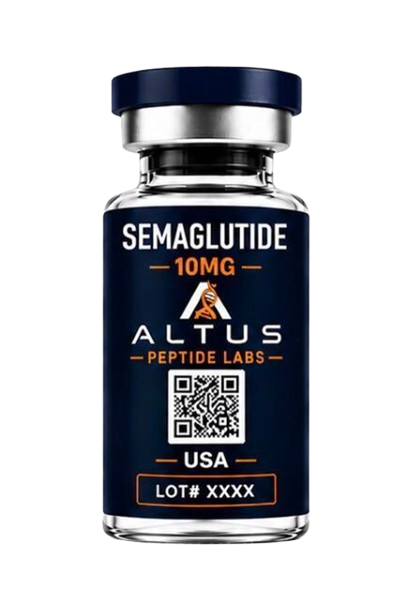
SEMAGLUTIDE
Price range: $60.00 through $300.00 Select options This product has multiple variants. The options may be chosen on the product page -
GLP-1 & Metabolic
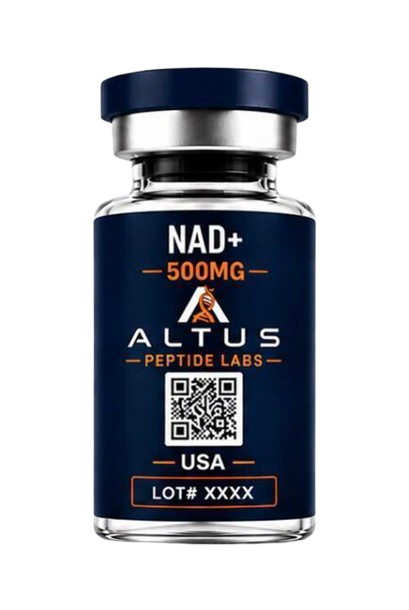
NAD+
Price range: $35.00 through $100.00 Select options This product has multiple variants. The options may be chosen on the product page
Reviews
There are no reviews yet.