
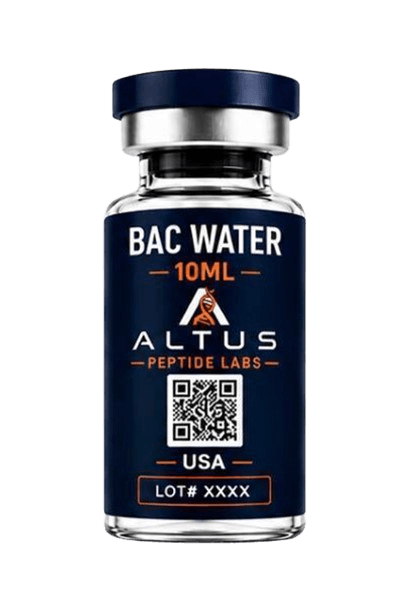
BAC WATER
$10.00
BAC Water is a specialized aqueous solution designed for controlled laboratory and pharmaceutical research environments where a compatible diluent may be required. Often referred to as Bac Water, this solution typically contains purified water and a low concentration of a preservative, such as benzyl alcohol, intended to limit the growth of certain microorganisms under specified conditions.
For researchers working with peptide chemistry, analytical preparation, and controlled experimental procedures, the quality and documented composition of the diluent are important considerations. BAC Water should always be assessed according to its stated formulation, intended application, packaging, and manufacturer documentation.
Research use only. Not for human or veterinary use.
BAC Water Specifications
| Property | Details |
| Product Name | BAC Water |
| Common Name | Bac Water |
| Vial Volume | 10 mL |
| Quantity Included | 1 vial |
| Price | $99 |
| Physical Form | Clear aqueous solution |
| Typical Composition | Purified water with a bacteriostatic preservative |
| Common Preservative | Benzyl alcohol, where specified |
| Intended Application | Laboratory research and analytical preparation |
The precise formulation may vary between suppliers. Researchers should review the product label and Certificate of Analysis (COA) to confirm the preservative concentration, water quality, sterility claims, container specifications, and applicable storage conditions.
What Is Bac Water?
BAC Water is not simply interchangeable with every type of laboratory water. Its defining feature is the inclusion of a preservative intended to inhibit microbial proliferation under appropriate conditions. This characteristic differentiates it from preservative-free sterile water and other aqueous solutions used in laboratory settings.
The solution may be relevant to research workflows that require a documented aqueous medium or diluent. However, compatibility depends on the specific compound, experimental design, pH requirements, concentration, and intended analytical method. A solution suitable for one research procedure may not be appropriate for another.
For this reason, researchers should consult validated protocols and product documentation rather than assuming that all BAC Water products have identical characteristics.
Research Applications
BAC Water may be considered in several controlled research and preparation environments, depending on the formulation and laboratory requirements.
Peptide and Compound Preparation
Some research workflows require an aqueous diluent when examining the physical behavior or solution characteristics of peptide materials. The compatibility of Bac Water with a particular compound must be established through appropriate laboratory evaluation.
Analytical Research
Documented water quality and formulation details can be relevant when preparing samples for analytical procedures. Researchers should consider whether the preservative or other components could interfere with the selected testing method.
Solution Stability Studies
BAC Water may be included in exploratory studies assessing the stability, appearance, or behavior of compatible research materials in an aqueous environment. Results depend on factors such as temperature, pH, concentration, container type, and exposure conditions.
Laboratory Workflow Development
Research teams may evaluate different aqueous solutions when developing or refining experimental procedures. Batch traceability and consistent documentation can help support reproducibility between test runs.
These examples describe possible laboratory considerations, not guaranteed performance or suitability for a specific compound.
Quality, Purity, and Documentation
When selecting BAC Water, product transparency is an important part of responsible laboratory sourcing. A supplier should provide clear information about the solution’s composition and quality controls where applicable.
Researchers should review:
- Preservative identity and concentration
- Water source and quality specifications
- Manufacturing and packaging details
- Batch or lot identification
- Relevant analytical or quality documentation
- Storage and handling instructions
- Stated sterility and intended-use limitations
It is important to distinguish between bacteriostatic properties and sterility. A preservative may inhibit microbial growth under certain conditions, but it should not automatically be interpreted as a guarantee that a product is sterile or suitable for clinical use.
Storage and Handling
Storage conditions depend on the product formulation and manufacturer’s instructions. Keep the container sealed when not in use and protect it from contamination, excessive heat, and unsuitable environmental conditions.
Laboratory personnel should follow institutional safety procedures and use appropriate handling practices. Any preparation involving research compounds should be conducted only by qualified personnel using validated protocols and suitable equipment.
Do not use the product outside its documented purpose. Always check the label for information concerning storage, expiration, container integrity, and disposal.
Frequently Asked Questions
What is BAC Water?
BAC Water is an aqueous solution containing a preservative intended to limit microbial growth under defined conditions. The exact formulation depends on the supplier.
What is Bac Water used for?
Bac Water may be used as a diluent in certain laboratory research and preparation workflows. Suitability depends on the compound, protocol, and formulation.
Is BAC Water the same as sterile water?
Not necessarily. BAC Water generally contains a preservative, while sterile water may be preservative-free. Sterility and compatibility must be confirmed through product documentation.
Does Bac Water work with every peptide?
No. Compatibility varies according to the peptide’s chemical properties, formulation, and experimental requirements. Researchers should follow validated protocols.
What size is the BAC Water vial?
This product is supplied as 1 vial containing 10 mL of BAC Water.
How much does BAC Water cost?
The listed price is $99 for 1 × 10 mL vial.
Is this product intended for human use?
No. This product is intended exclusively for laboratory research and analytical applications. It is not for human or veterinary use.
Choose BAC Water for Research Workflows
BAC Water provides a documented aqueous solution option for suitable laboratory applications. This product is supplied in a 10 mL vial.
Before purchasing, review the formulation, preservative details, quality documentation, and handling requirements to determine whether the product aligns with your research protocol.
Related products
-
GLP-1 & Metabolic
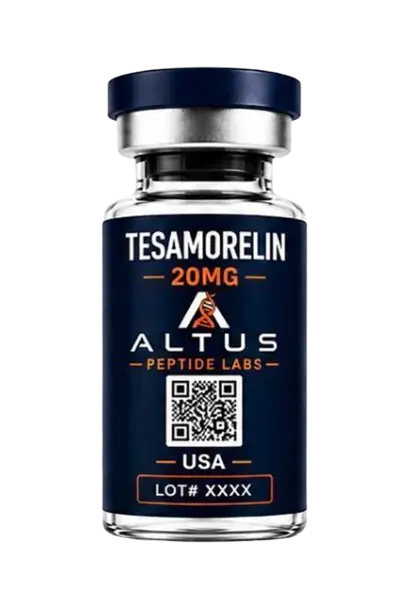
TESAMORELIN
$105.00 Select options This product has multiple variants. The options may be chosen on the product page -
GLP-1 & Metabolic
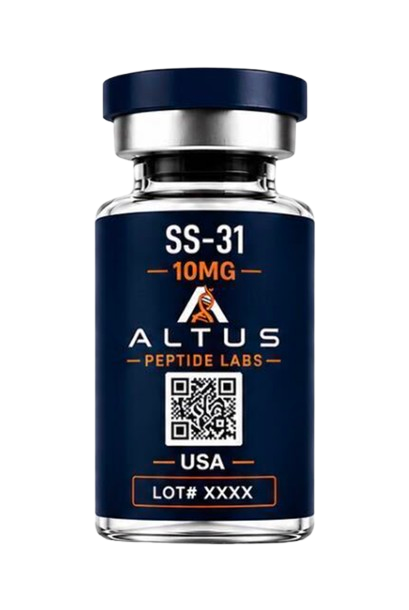
SS-31
Price range: $50.00 through $75.00 Select options This product has multiple variants. The options may be chosen on the product page
Reviews
There are no reviews yet.