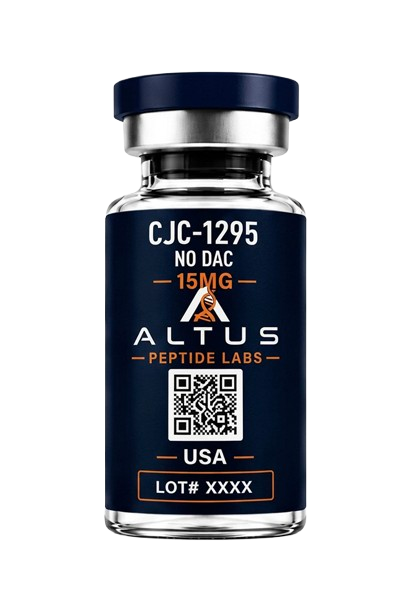
CJC-1295/IPA 15MG.
$70.00
CJC-1295 No DAC is a synthetic peptide associated with laboratory research into growth hormone–releasing hormone (GHRH) signaling and pituitary-related cellular pathways. Unlike the DAC-modified form of CJC-1295, the No DAC variant is generally described as a short-acting GHRH analog, often associated with modified GRF(1-29).
This peptide is of interest to researchers studying peptide–receptor interactions, endocrine signaling, and the molecular processes involved in growth hormone regulation. Its structure and activity make it a relevant compound for controlled experimental research involving receptor signaling and peptide characterization.
Because commercial naming can vary, researchers should verify whether a product is genuine CJC-1295 No DAC, modified GRF(1-29), or another related peptide. Exact sequence, terminal modifications, purity, and molecular mass should be confirmed through batch-specific documentation.
Research use only. Not for human or veterinary use.
CJC-1295 No DAC Specifications
| Property | Details |
| Product Name | CJC-1295 No DAC |
| Related Designation | Modified GRF(1-29) |
| Peptide Category | Synthetic GHRH analog |
| Peptide Length | 29 amino acid residues |
| DAC Modification | Absent |
| Physical Form | Typically lyophilized powder |
| Molecular Formula | Verify supplier documentation |
| Molecular Weight | Verify exact sequence and modifications |
| Purity | Confirm batch-specific COA |
| Intended Use | Laboratory research and analytical applications |
The No DAC designation indicates that the peptide does not contain the drug-affinity complex modification associated with DAC-modified CJC-1295. However, not every product labeled “CJC-1295 No DAC” necessarily has an identical structure. Researchers should review the listed sequence and terminal modifications before use.
Understanding CJC-1295 No DAC
CJC-1295 No DAC is commonly discussed alongside modified GRF(1-29), a synthetic analog based on the active N-terminal region of growth hormone–releasing hormone. GHRH is a signaling peptide involved in regulating growth hormone release through interactions with the GHRH receptor.
The No DAC variant is distinguished from DAC-modified CJC-1295 by the absence of the extended drug-affinity complex. This structural difference is relevant when studying peptide stability, receptor interactions, pharmacological characteristics, and experimental behavior.
From a research perspective, the distinction between these compounds is important. The terms “CJC-1295,” “CJC-1295 No DAC,” and “modified GRF(1-29)” are sometimes used inconsistently in commercial materials. A product name alone should not be treated as definitive evidence of molecular identity.
Research Applications
CJC-1295 No DAC may be examined in several areas of peptide and endocrine research.
GHRH Receptor Studies
Researchers may investigate the interaction between GHRH analogs and receptor systems involved in growth hormone signaling. Experimental results depend on the selected model, receptor expression, and assay conditions.
Peptide–Receptor Binding
The compound may be relevant to studies assessing how peptide structure influences receptor recognition and molecular interactions.
Endocrine Signaling Research
Laboratory teams may examine GHRH-related signaling pathways and their relationship to cellular communication mechanisms. These studies require carefully controlled experimental conditions and appropriate reference materials.
Structure–Activity Investigations
Comparing CJC-1295 No DAC with other GHRH analogs can support research into the relationship between amino acid sequence, modifications, stability, and biological activity.
Analytical Characterization
The peptide may be used in method-development or characterization workflows involving chromatographic separation, mass spectrometry, and purity assessment.
These applications describe potential research uses only. They should not be interpreted as evidence of established clinical benefits, safety, or suitability for administration.
CJC-1295 No DAC vs. DAC-Modified CJC-1295
The primary distinction between these related materials is their structural modification.
| Feature | No DAC Variant | DAC-Modified Variant |
| Common Research Reference | Modified GRF(1-29) | CJC-1295 with DAC |
| DAC Modification | Not included | Included |
| Structural Profile | Short GHRH analog | Modified GHRH analog |
| Research Consideration | Sequence and terminal groups | DAC-related structural features |
Researchers should avoid treating the two compounds as interchangeable. Their molecular differences can affect analytical results and experimental behavior.
Quality Control and Batch Documentation
Reliable documentation supports reproducible laboratory research. When sourcing CJC-1295 No DAC, researchers should examine the available Certificate of Analysis and verify that it corresponds to the supplied lot.
Important quality considerations include:
- Confirmed amino acid sequence
- Terminal modifications
- Molecular formula and calculated mass
- HPLC purity results
- Mass spectrometry identity confirmation
- Batch or lot number
- Physical appearance
- Storage and handling requirements
A purity percentage without supporting analytical information may not provide a complete picture of product quality. Researchers should consider both identity confirmation and purity testing when evaluating a peptide material.
Storage and Handling
CJC-1295 No DAC should be stored according to the supplier’s documented instructions. Protect the material from excessive heat, moisture, and unnecessary exposure to light.
Any preparation or reconstitution should be conducted by qualified laboratory personnel using established procedures. Researchers should independently evaluate solvent compatibility, stability, and handling requirements rather than relying on instructions for another peptide.
Frequently Asked Questions
What is CJC-1295 No DAC?
CJC-1295 No DAC is a synthetic GHRH-related peptide commonly associated with modified GRF(1-29) and studied in laboratory research involving peptide signaling.
What does “No DAC” mean?
“No DAC” indicates that the peptide does not contain the drug-affinity complex modification associated with DAC-modified CJC-1295.
Is CJC-1295 No DAC the same as modified GRF(1-29)?
The terms are often used to describe closely related research materials, but the exact sequence and modifications should be confirmed through product documentation.
What testing should researchers review?
Researchers should review HPLC purity data, mass spectrometry identity confirmation, sequence information, and batch-specific documentation.
Is CJC-1295 No DAC intended for human use?
No. This product is intended exclusively for laboratory research and analytical applications. It is not for human or veterinary use.
Explore CJC-1295 No DAC for Research
CJC-1295 No DAC provides researchers with a GHRH-related peptide structure for investigating receptor interactions, peptide characterization, and endocrine signaling pathways. Before selecting the material, verify its precise identity and review the available batch documentation to ensure compatibility with your laboratory requirements.
Research use only. Not for human or veterinary use.
| MG | 5 |
|---|
Related products
-
GLP-1 & Metabolic
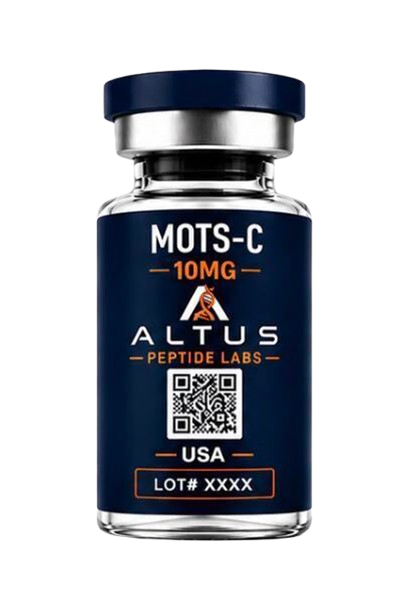
MOTS-C
Price range: $35.00 through $119.00 Select options This product has multiple variants. The options may be chosen on the product page -
GLP-1 & Metabolic
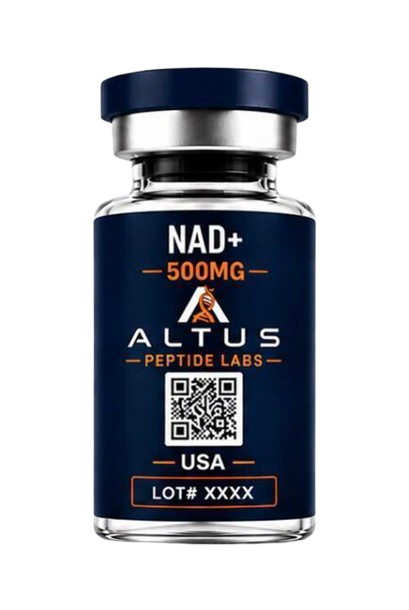
NAD+
Price range: $35.00 through $100.00 Select options This product has multiple variants. The options may be chosen on the product page

Reviews
There are no reviews yet.