MK-677
$65.00
MK-677, commonly known as Ibutamoren, is a nonpeptide growth hormone secretagogue that has been studied for its interaction with the growth hormone secretagogue receptor (GHS-R1a), also known as the ghrelin receptor. Unlike peptide-based compounds such as Ipamorelin, MK-677 has a distinct chemical structure that makes it an interesting subject for comparative pharmacology and receptor signaling research.
Its established research history provides opportunities to investigate receptor activation, endocrine signaling pathways, and the molecular mechanisms associated with growth hormone regulation. For laboratories examining nonpeptide secretagogues, MK-677 offers a defined compound for controlled experimental investigation.
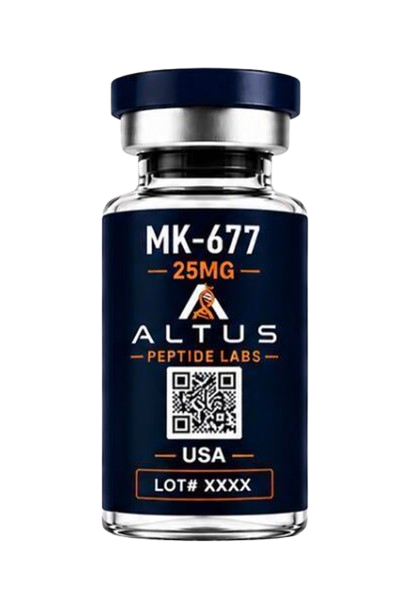
The Altus Peptide Labs product image identifies a 25 mg MK-677 vial. Researchers should confirm the exact specifications, purity, and analytical documentation through the supplier’s current product records.
MK-677 Product Specifications
| Specification | Details |
| Compound | MK-677 (Ibutamoren) |
| Classification | Nonpeptide growth hormone secretagogue |
| Primary Research Target | Growth hormone secretagogue receptor (GHS-R1a) |
| Listed Quantity | 25 mg |
| Brand | Altus Peptide Labs |
| Chemical Type | Nonpeptide compound |
| Form | Confirm product documentation |
| Purity | Verify batch-specific analysis |
| Intended Use | Laboratory research only |
The listed quantity is based on the supplied product image. Confirm the formulation and analytical specifications before publishing or using the product.
What Is MK-677? Understanding Its Molecular Identity
MK-677 is a small-molecule compound investigated for its ability to activate the growth hormone secretagogue receptor. This receptor belongs to the G protein-coupled receptor (GPCR) family and plays a role in signaling associated with ghrelin and growth hormone regulation.
One of the defining characteristics of MK-677 is its nonpeptide molecular structure. This distinguishes it from synthetic peptide secretagogues and creates a different research context for examining receptor binding, molecular interactions, and pharmacological activity.
The compound has been investigated in preclinical and clinical research, including studies involving growth hormone secretion and related physiological pathways. However, findings from one experimental model should not automatically be applied to other systems.
For laboratory researchers, MK-677 can serve as a reference compound when investigating the mechanisms of GHS-R1a activation and comparing different types of secretagogue molecules.
Receptor Signaling and Pharmacological Research
The growth hormone secretagogue receptor is involved in intracellular signaling processes that influence cellular responses. MK-677’s interaction with this receptor makes it relevant to studies exploring ligand-receptor relationships and downstream signaling mechanisms.
Research may focus on how receptor activation affects intracellular messenger systems, including pathways associated with calcium signaling and cyclic AMP regulation. The exact signaling response depends on the model, receptor expression, assay conditions, and concentration used in the experiment.
MK-677 can also be considered in comparative studies alongside peptide-based GHS-R agonists. These comparisons may help researchers examine how differences in molecular structure influence receptor activity and pharmacological behavior.
Key Research Applications
MK-677 may be relevant to several areas of laboratory research:
1. GHS-R1a Receptor Studies
Investigate receptor activation, ligand interactions, and signaling responses associated with the growth hormone secretagogue receptor.
2. Comparative Secretagogue Research
Compare nonpeptide MK-677 with peptide-based compounds, such as Ipamorelin, to examine differences in molecular characteristics and receptor pharmacology.
3. Endocrine Signaling Investigations
Study pathways associated with growth hormone regulation and the broader biological mechanisms connected to secretagogue activity.
4. Structure-Activity Research
Explore how the chemical structure of a nonpeptide compound relates to receptor binding and observed pharmacological responses.
5. Analytical Characterization
Evaluate compound identity, purity, and other relevant properties through suitable laboratory techniques.
The suitability of MK-677 for a specific study depends on the research objectives and validated experimental procedures.
Why MK-677 Is Relevant to Molecular Research
MK-677 offers a different research perspective from conventional peptide-based secretagogues. Its nonpeptide structure and interaction with GHS-R1a make it useful for researchers examining how chemically distinct compounds engage the same receptor system.
This distinction can support investigations into:
- Receptor selectivity and activation
- Ligand-receptor interactions
- Comparative pharmacological responses
- Chemical structure and molecular activity
- Growth hormone-related signaling mechanisms
Researchers should distinguish between documented experimental findings and proposed applications. A compound’s research history does not establish that every potential application has been validated.
Quality Control and Documentation
Clear product identification is essential when working with research compounds. Before selecting MK-677, laboratories should review the available batch documentation and confirm the material’s suitability for their intended experiments.
Relevant information may include:
- Compound identity confirmation
- Batch or lot number
- Purity testing
- Formulation details
- Storage requirements
Testing methods and purity claims should be supported by current supplier documentation. Do not assume a specific analytical result without a corresponding certificate of analysis or other verified record.
Storage and Handling
MK-677 should be stored and handled according to the supplier’s product-specific recommendations. Requirements may depend on the formulation, packaging, and validated stability information.
Researchers should consult the accompanying documentation for appropriate storage conditions and laboratory handling procedures. Any preparation or reconstitution instructions should be confirmed through reliable product records rather than inferred from other research materials.
Frequently Asked Questions
1. What is MK-677?
MK-677, also called Ibutamoren, is a nonpeptide growth hormone secretagogue studied for its interaction with the GHS-R1a receptor.
2. Is MK-677 a peptide?
No. MK-677 is a nonpeptide small-molecule compound, unlike synthetic peptide secretagogues such as Ipamorelin.
3. What quantity is shown in the product image?
The supplied Altus Peptide Labs product image displays a 25 mg MK-677 vial.
4. What research areas involve MK-677?
Research areas include receptor pharmacology, secretagogue signaling, comparative molecular studies, and endocrine pathway investigations.
5. Is MK-677 intended for human use?
No. This product is intended for laboratory research only and is not for human or veterinary use.
Explore MK-677 Research Material
MK-677 provides a defined nonpeptide compound for researchers investigating ghrelin receptor pharmacology and growth hormone secretagogue signaling. Its distinct chemical structure creates opportunities for comparative studies involving peptide and nonpeptide receptor agonists.
Review the available product specifications, analytical documentation, and handling recommendations before selecting MK-677 for your laboratory workflow.
Explore the MK-677 research material and review its specifications for your intended laboratory application.
Research use only. Not for human or veterinary use
Related products
-
GLP-1 & Metabolic
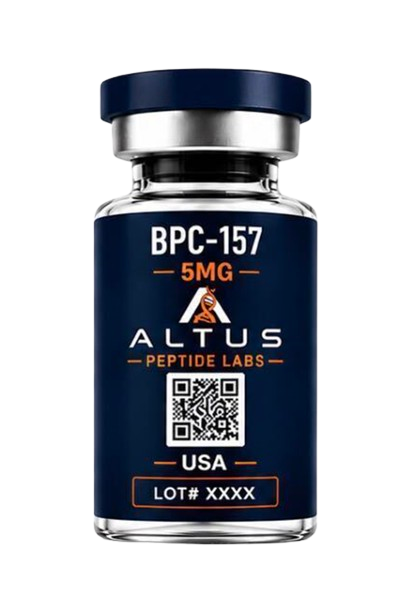
BPC-157
$39.00 Select options This product has multiple variants. The options may be chosen on the product page
Reviews
There are no reviews yet.